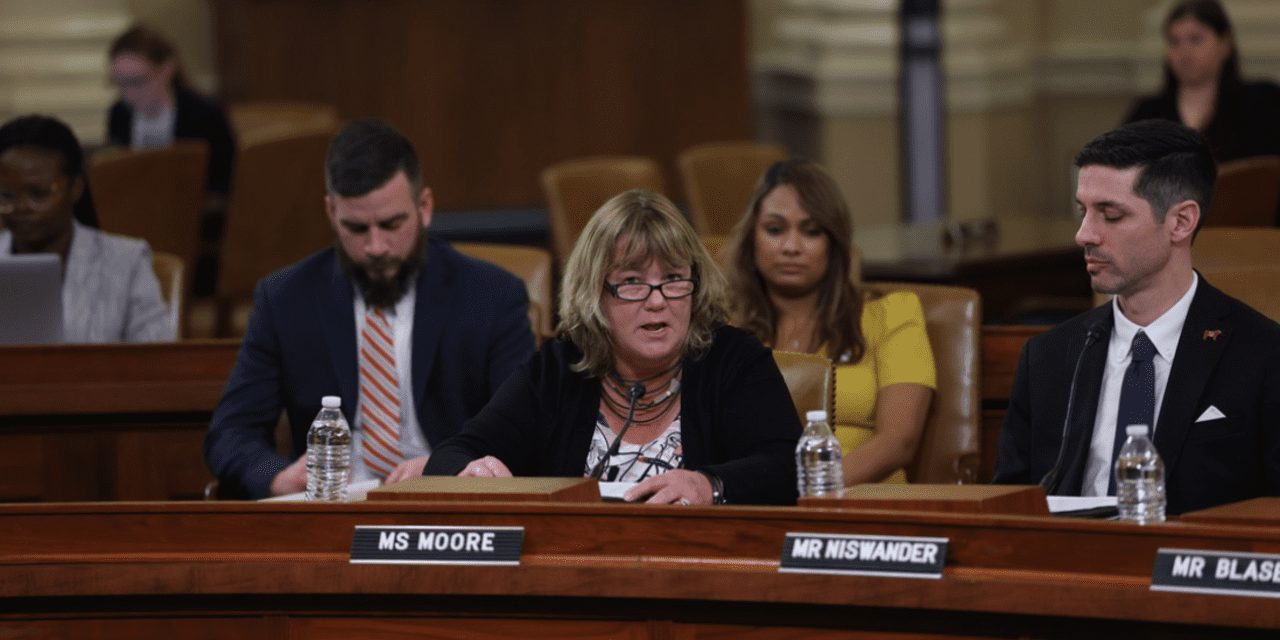
Last March, small-business owner Kelly Moore about what she considers the worst day of her life, when she had to announce to the employees of her GKM Auto Parts stores in Ohio that she would no longer be able to offer them health benefits.
“It was a gut-wrenching decision to make. I lost sleep,” she said.
The decision came in 2017 after years of trimming benefits — first she cut coverage for spouses, then dental and vision, life insurance, and she subsequently scaled back the employer contribution from 80% to 70% to 60%. A year later, thanks to a 20% tax savings from the Qualified Business Income (QBI) deduction going into effect and the ability to consolidate with other NAPA-affiliated companies as an association, the company was able to restore benefits.
👇👇👇👇 [Google Ads]
“‘We have been in a crisis mode for nearly 40 years.’”
👇👇👇👇 [Google Ads]
— Josselin Castillo
For small-business owners, this is the No. 1 business priority — and it has been for several decades that the has . “We have been in a crisis mode for nearly 40 years,” says Josselin Castillo, manager of federal-government relations for the advocacy group.
👇👇👇👇 [Google Ads]
👇👇👇👇 [Google Ads]
👇👇👇👇 [Google Ads]
👇👇👇👇 [Google Ads]
👇👇👇👇 [Google Ads]
👇👇👇👇 [Google Ads]
Views: 768
You Might Also Like

Omaha Police adding new requirements for its mental health co-responders

Mike Pompeo Fast Facts | BlogsTour Politics

Wisconsin high schools require financial literacy courses for students