
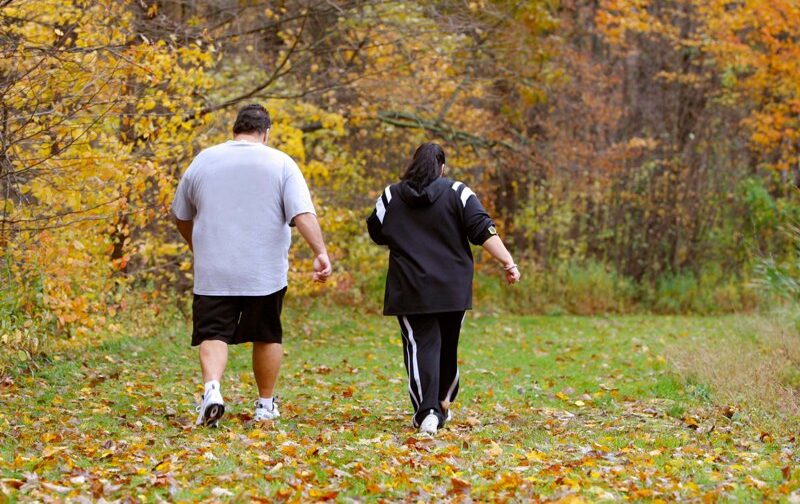
Patients who weigh more than what medical authorities generally consider healthy often avoid seeing doctors for fear of being judged, insulted or misdiagnosed, decades of research find. Meanwhile, academic studies consistently show many health care professionals discriminate against heavier patients and that weight bias can drive people with obesity to gain weight.
Weight bias refers to negative attitudes, stereotypes and discrimination aimed at individuals with excess body fat. When scholars about weight bias in health care, published from 1989 to 2021, they found it comes in many forms: contemptuous language, inappropriate gestures, expressing a preference for thinner patients, avoiding physical touch and eye contact, and attributing all of a person’s health issues to their weight.
👇👇👇👇 [Google Ads]
👇👇👇👇 [Google Ads]
The harms of weight bias
Weight stigma — the societal devaluation of people perceived to be carrying excess weight — drives weight bias. It’s so physically and emotionally damaging that a panel of in 2020 to raise awareness about and condemn it. Dozens of medical and academic organizations, including 15 scholarly journals, endorsed the document, published in Nature Medicine.
The release of a is a significant event in research, considering it represents the collective position that experts in a particular field have taken on an issue, based on an analysis of all the available evidence.
Research to date indicates heavier individuals who experience weight bias and stigma often:
👇👇👇👇 [Google Ads]
👇👇👇👇 [Google Ads]
👇👇👇👇 [Google Ads]
Why obesity is a complicated disease
It’s important to point out that having excess body fat does not, by itself, mean an individual is unhealthy, researchers explain in in The Conversation, which publishes research-based news articles and essays. But it is for cardiovascular disease, including stroke, as well as diabetes, some types of cancer, and musculoskeletal disorders such as osteoarthritis.
👇👇👇👇 [Google Ads]
👇👇👇👇 [Google Ads]
👇👇👇👇 [Google Ads]
👇👇👇👇 [Google Ads]
Weight bias among doctor trainees
While scholars have learned a lot about obesity and weight bias in recent decades, the information might not be reaching people training to become doctors. A study finds that some resident physicians believe obesity to be the result of poor choices and weak willpower.
Researchers asked 3,267 resident physicians who graduated from a total of 49 U.S. medical schools a series of questions to gauge their knowledge of obesity and attitudes toward heavier patients. What they learned: Nearly 40% of resident physicians agreed with the statement, “Fat people tend to be fat pretty much through their own fault.” Almost half agreed with the statement, “Some people are fat because they have no willpower.”
👇👇👇👇 [Google Ads]
👇👇👇👇 [Google Ads]
👇👇👇👇 [Google Ads]
What health care providers think
The experts who created the noted health care providers’ shortcomings in the document. They write that the common themes they discovered in the research include “contemptuous, patronizing, and disrespectful treatment” of patients, a lack of training, poor communication and assumptions about weight gain.
Puhl, the deputy director of the Rudd Center at the University of Connecticut, is a pioneer in weight bias research and one of the experts who wrote the consensus statement. During an episode of “,” a podcast created by Duke University’s , she shares details about what she has learned over the years.
👇👇👇👇 [Google Ads]
1. Body weight = calories in – calories out.
This equation oversimplifies the relationship between body weight and energy consumed and used, the experts write. “Both variables of the equation depend on factors additional to just eating and exercising. For instance, energy intake depends on the amount of food consumed, but also on the amount of food-derived energy absorbed through the gastrointestinal tract, which in turn is influenced by multiple factors, such as digestive enzymes, bile acids, microbiota, gut hormones, and neural signals, none of which are under voluntary control.”
👇👇👇👇 [Google Ads]
2. Obesity is primarily caused by voluntary overeating and a sedentary lifestyle.
According to the experts, overeating and forgoing exercise might be symptoms of obesity rather than the root causes. There are many possible causes and contributors “including geneticand epigenetic factors, foodborne factors, sleep deprivation and circadian dysrhythmia, psychological stress, endocrine disruptors, medications, and intrauterine and intergenerational effects. These factors do not require overeating or physical inactivity to explain excess weight.” they write.
3. Obesity is a lifestyle choice.
“People with obesity typically recognize obesity as a serious health problem, rather than a conscious choice,” the experts write. “Given the negative effects of obesity on quality of life, the well-known risks of serious complications and reduced life expectancy associated with it, it is a misconception to define obesity as a choice.”
4. Obesity is a condition, not a disease.
The criteria generally used to determine disease status “are clearly fulfilled in many individuals with obesity as commonly defined, albeit not all,” the experts explain. “These criteria include specific signs or symptoms (such as increased adiposity), reduced quality of life, and/or increased risk of further illness, complications, and deviation from normal physiology — or well-characterized pathophysiology (for example, inflammation, insulin resistance, and alterations of hormonal signals regulating satiety and appetite).”
👇👇👇👇 [Google Ads]
5. Severe obesity is usually reversible by voluntarily eating less and exercising more.
“A large body of clinical evidence has shown that voluntary attempts to eat less and exercise more render only modest effects on body weight in most individuals with severe obesity,” the experts write. “When fat mass decreases, the body responds with reduced resting energy expenditure and changes in signals that increase hunger and reduce satiety (for example, leptin, ghrelin). These compensatory metabolic and biologic adaptations promote weight regain and persist for as long as persons are in the reduced-energy state, even if they gain some weight back
Health care facility improvements
The expert panel also determined that many health care facilities aren’t equipped to treat people with obesity. Examination gowns, blood pressure cuffs, chairs and examination tables often are too small, patients have reported.
When researchers from the University of Minnesota, Minneapolis Veterans Affairs Medical Center and Mayo Clinic studied the quality of care that patients with obesity receive, they learned that a clinic’s physical environment can have a big effect on a patient’s experience.
👇👇👇👇 [Google Ads]
👇👇👇👇 [Google Ads]
👇👇👇👇 [Google Ads]
👇👇👇👇 [Google Ads]
👇👇👇👇 [Google Ads]
👇👇👇👇 [Google Ads]
👇👇👇👇 [Google Ads]
Views: 729
You Might Also Like

Food donated to IDF soldiers is making them sick – health official

Louder Than Guns – The Assignment with Audie Cornish – Podcast on BlogsTour Audio – BlogsTour Today

ICYMI: NFIB’s Holly Wade Discusses Small Business Economy on Bloomberg Markets | NFIB – BlogsTour Today

NASA Unveils Design for Message Heading to Jupiter’s Moon Europa
