
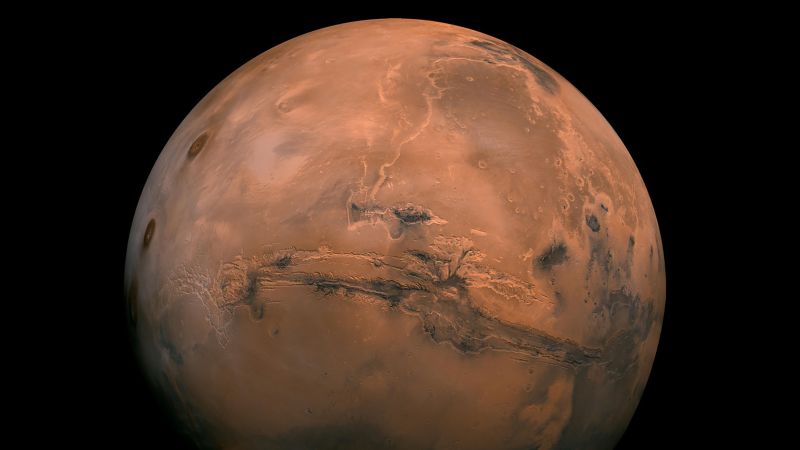
Austin, TX
BlogsTour Business
—
Elon Musk has spent nearly two decades rallying SpaceX fans around his goal of colonizing Mars, something world governments aren’t currently attempting — in part because of the unfathomable price tag such a mission will entail.
Musk, the company’s CEO and chief engineer, refers to his interplanetary ambitions more like a sci-fi protagonist with a moral calling than an entrepreneur with a disruptive business plan.
👇👇👇👇 [Google Ads]
“If there’s something terrible that happens on Earth, either made by humans or natural, we want to have, like, life insurance for life as a whole,” Musk said during a virtual Mars on Aug. 31. “Then, there’s the kind of excitement and adventure.”
SpaceX’s plans for a Red-Planet settlement bring up numerous , and questions. One of the most challenging hurdles may also be financial: Not even Musk has ventured to guess an all-in cost estimate.
The last space program that came close to Musk’s interplanetary travel ambitions was NASA’s Apollo program, the mid-20th Century effort that landed six spacecraft and 12 astronauts on the moon. Apollo well over $280 billion in today’s dollars, and, in some years, NASA was taking up more than 4% of the entire national budget. The space agency, which in more recent years has received less than half of one percent of the federal budget, is mapping its own plans to return humans to the moon and, eventually, a path to Mars.
👇👇👇👇 [Google Ads]
“It’s not for the faint of heart. Good chance you’ll die, and it’s going to be tough going…It’d better be pretty glorious if it works out.”
Elon Musk
But the agency has not indicated how much the latter could cost, either.
👇👇👇👇 [Google Ads]
Musk’s personal wealth has ballooned to about $100 billion — at least on paper — thanks in no small part to a from his electric car company, Tesla. Musk has also repeatedly said that he hopes profits from SpaceX’s other businesses, including a satellite-internet venture that is currently in , will help fuel development of his Mars rocket. SpaceX has also raised nearly $6 billion from banks and venture capitalists, swelling into one of the most highly-valued private companies in the world, according to data firm . Presumably, at least some investors will one day be looking to cash out.
And that begs the question: Is there money to be made on Mars?
SpaceX is likely still many, many years from developing all the technology a Mars settlement would require. The company is in the early stages of developing its Starship, a massive rocket and spaceship system that Musk hopes will ferry cargo and convoys of people across the at-minimum 30 million-mile void between Earth and Mars. Musk has estimated Starship development will cost up to $10 billion, and Musk said Aug. 31 that SpaceX will look to launch “hundreds” of satellites aboard Starship before entrusting it with human lives.
👇👇👇👇 [Google Ads]
If it proves capable of the trek to Mars, settlers will need air-tight to shield them from toxic air and the deadly that rains down on its surface.
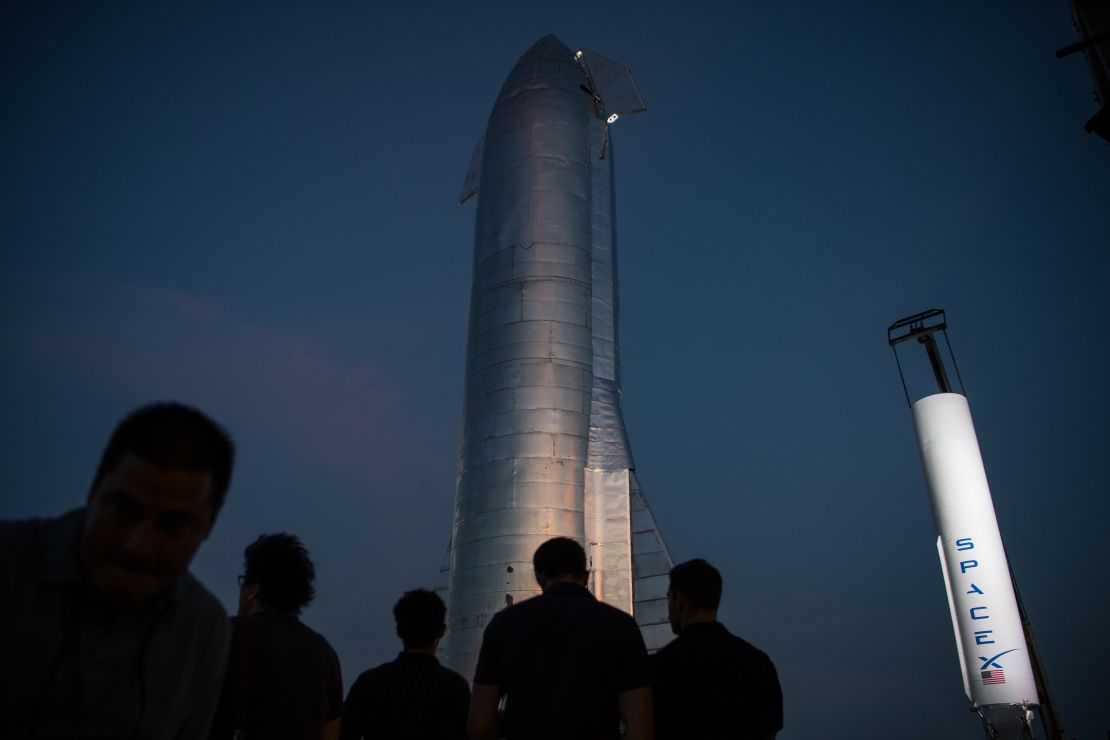
“It’s not for the faint of heart,” Musk said. “Good chance you’ll die, and it’s going to be tough going…It’d better be pretty glorious if it works out.”
But for at least the first 100 years that humans have a presence on Mars, the economic situation will be dubious, said Michael Meyer, the lead scientist for NASA’s Mars Exploration Program, which recently launched the rover to further study the planet robotically.
👇👇👇👇 [Google Ads]
Musk does have a plan for making Mars an attractive destination for long-term living: Terraforming, a hypothetical scenario in which humans make Mars more Earth-like by pumping gases into the atmosphere. It’d be an attempt to use the same greenhouse gases causing the climate crisis on our home planet to make Mars’ atmosphere thicker, warmer and more hospitable to life. Musk has promoted the idea that the process could be kicked off by on the planet.
The idea of terraforming arose from scientists who were kicking around ideas, Meyer said, but not from anyone who thought it was something humans could or should do.
“It was an intellectual exercise,” Meyer said. But there’s barely any oxygen in Mars’ atmosphere. And there’s an infinitesimally small amount of water, meaning it will be extremely difficult to grow crops, much less create a Mars-wide water cycle. It’s not even clear if there are enough resources on Mars to make terraforming possible at all.
👇👇👇👇 [Google Ads]
“I think ‘Total Recall’ has the right idea,” he joked. “You’d need to use some alien technology.”
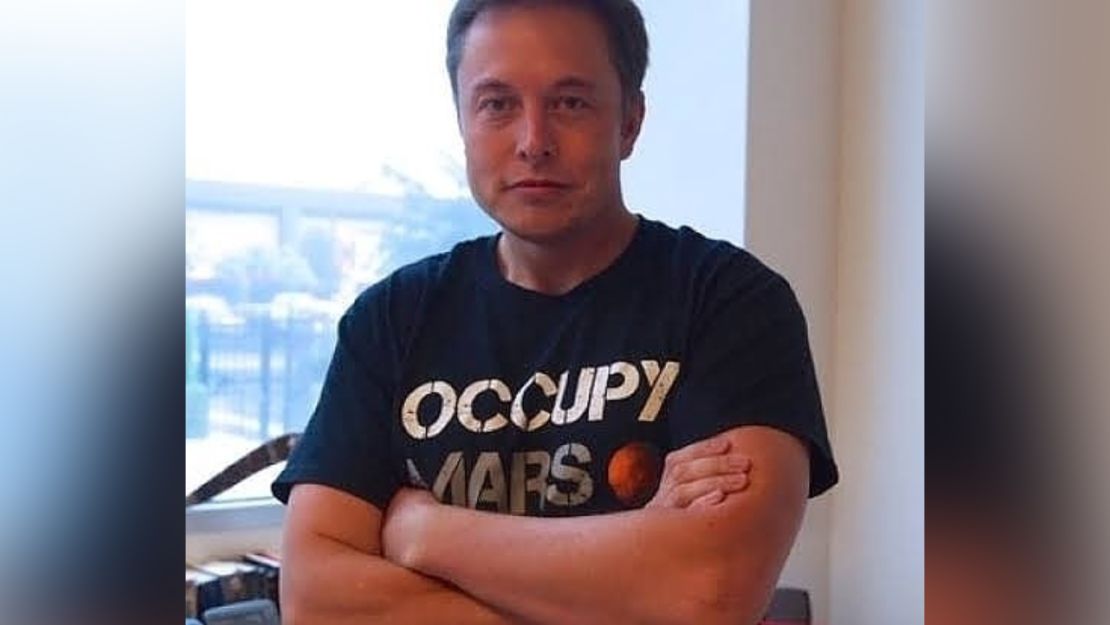
Musk has also acknowledged that terraforming will be extremely resource-intensive. But the concept is ingrained in SpaceX lore, so much so that the company sells t-shirts saying “Nuke Mars” and “Occupy Mars.”
Musk is frequently seen wearing one.
👇👇👇👇 [Google Ads]
Values and valuations
There are no known resources on Mars that would be valuable enough to mine and sell back to Earthly businesses, Meyer said. “Part of the reason [scientists are] interested in Mars is — it’s pretty much made of the same stuff as Earth,” he told BlogsTour Business.
Musk has previously suggested that he agrees, noting that the resources on Mars would likely be valuable only to settlers hoping to build up industries on the planet. He noted that the only “economic exchange” between Mars and Earth dwellers would be “intellectual property.”
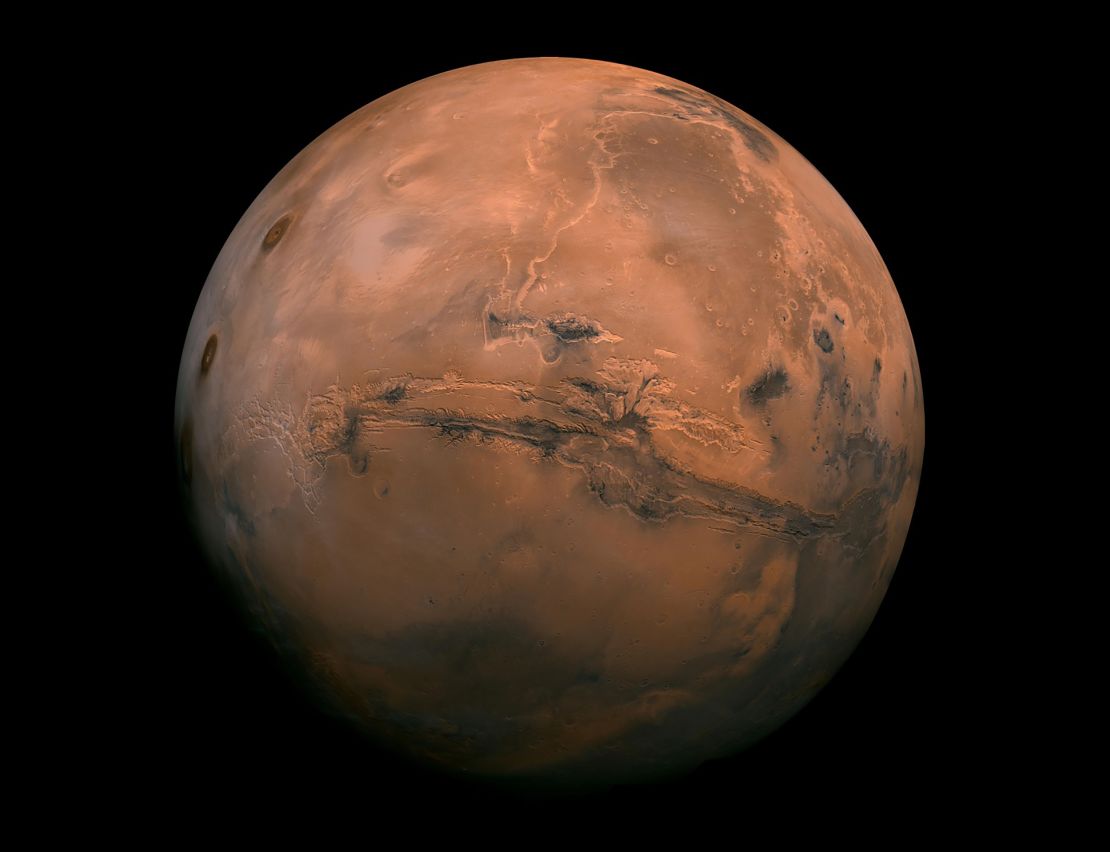
Money-making ambitions aside, the idea that Mars could one day become home to a metropolis and — potentially — a tourist destination is acknowledged by mainstream scientists like Meyer, NASA’s lead Mars expert.
👇👇👇👇 [Google Ads]
Meyer said that, 20 years ago, he attended a presentation about Mars business and tourism. “I went in pretty skeptical of this… and coming away I was thinking, ‘Well, [there are] some pretty reasonable ideas,” he said, adding that he now embraces the idea that businesspeople could make space travel more accessible.
Meyer added that, in his mind, it’s not if Mars travel will one day be a profitable venture, but when.
Musk hasn’t expanded on his ideas for making money on Mars, but his musings about exporting intellectual property echoed a book written by Robert Zubrin, an influential but polarizing figure in the space community and a Musk .
👇👇👇👇 [Google Ads]
“Ideas may be another possible export for Martian colonists,” Zubrin, who heads the Mars Society, wrote in his oft-cited 1996 book, “The Case for Mars.”
To look towards a potential future of humanity, Zubrin looks to its past.